
What High-Performance Athletes Understand About Pressure That Most Leaders Do Not

Dr. Terri Finney, Psy.D.
Licensed Psychologist · Executive Coach
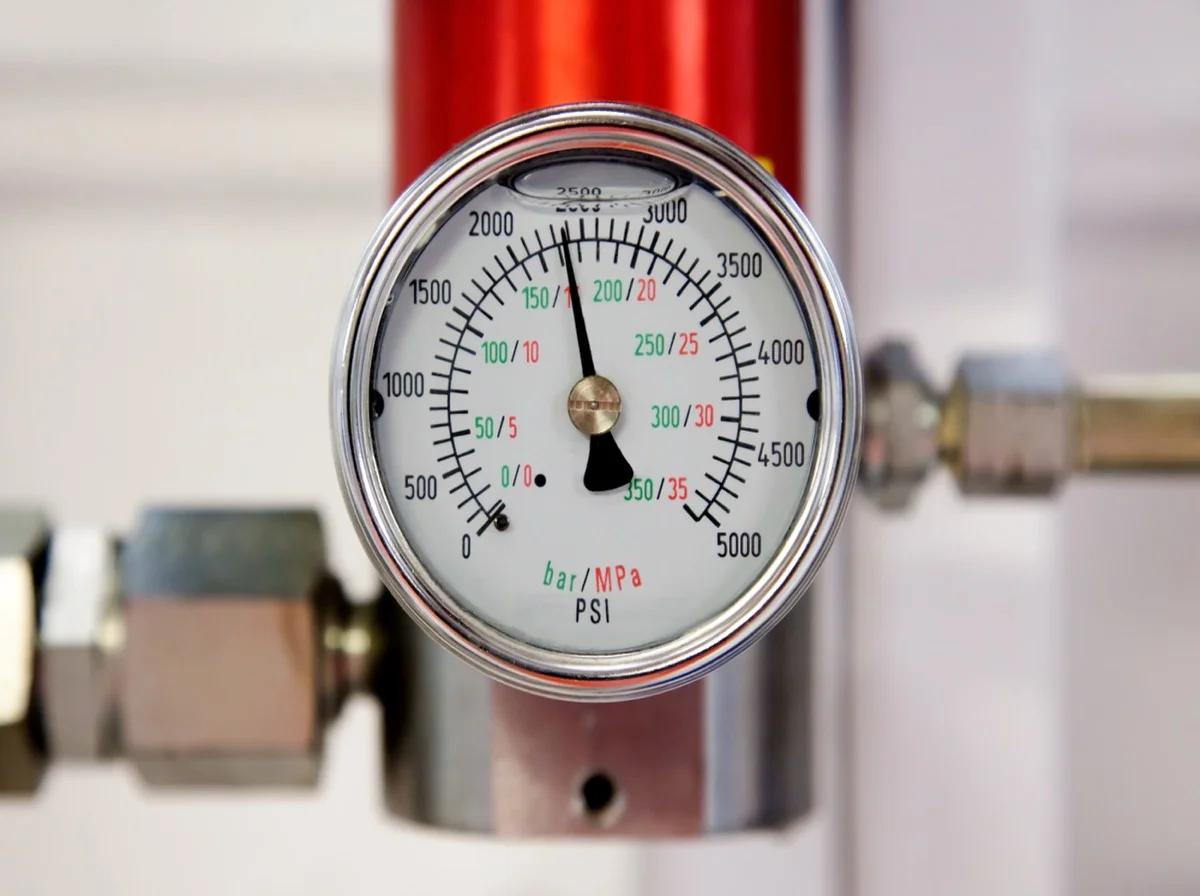
What Elite Athletes Know About Pressure That Most Leaders Don't
Ask an executive how they handle pressure and you'll hear some version of: "I push through it." Ask an Olympic athlete and you'll hear something fundamentally different: "I train for it."
That distinction matters more than it seems. Executives treat pressure as an adversary to overcome through willpower. Athletes treat it as an energy source to channel through technique. One approach produces white-knuckling and eventual depletion. The other produces sustainable high performance under conditions that would break most people.
The principles aren't different because the domains are different. They're different because athletes have been formally trained to perform under pressure—and executives almost never have. Leaders are expected to handle enormous pressure as a condition of the role, yet receive virtually no training in how to do so. The assumption is that if you're smart and disciplined enough to reach the C-suite, you'll figure out pressure management on your own.
Most don't. And the cost is hidden inside burnout statistics, decision-quality decline, and the quiet deterioration of leaders who look fine from the outside.
Pressure as a Training Variable
The most fundamental difference between athletes and executives is how they relate to pressure itself.
Athletes don't view pressure as an unfortunate circumstance. They treat it as a deliberate training variable—something to be calibrated, practiced with, and gradually increased. They train under conditions of increasing intensity until high-stakes performance feels familiar rather than threatening.
Psychologists call this stress inoculation: developing capacity through graduated challenge. The athlete who has practiced their routine thousands of times, competed in progressively more important events, and experienced both failure and recovery is prepared for pressure in ways that the executive who simply "works hard" is not.
Most executives experience pressure as ambient noise rather than something they deliberately engage with. They encounter it as it comes and respond with whatever coping strategies they've stumbled into through experience. The result is often either overwhelm or maladaptive patterns—neither of which constitutes genuine resilience.
Recovery Isn't Optional—It's Infrastructure
Athletes understand something that most executives actively resist: performance and recovery are inseparable. Training occurs in cycles of stress and restoration. The athlete who trains continuously without adequate recovery doesn't improve—they break down.
This principle, obvious in athletics, is routinely violated in executive life.
The pressure-driven executive works through weekends, checks email on vacation, maintains availability during supposed rest periods. They may believe this dedication produces superior results. The athletic model suggests the opposite: continuous pressure without adequate recovery produces progressive degradation of exactly the capacities—judgment, creativity, emotional regulation—that leadership demands most.
I see an even more sophisticated trap: executives who take time off without genuine recovery. Physically absent but psychologically engaged, checking devices, anticipating problems, mentally drafting responses. This pseudo-recovery provides none of the restoration that genuine disengagement offers.
The discipline of full presence in recovery, followed by full presence in performance, is one of the most valuable things the athletic model teaches.
Mental Skills Are Skills
Elite athletes receive systematic training in psychological skills: visualization, self-talk management, arousal regulation, attentional control. These aren't afterthoughts. They're core training components, developed with the same rigor as physical capabilities.
Executives rarely receive equivalent development. They're expected to figure out how to manage anxiety, maintain focus, and regulate emotion through trial and error—under real stakes, with real consequences. Some develop adequate capacity this way. Many don't.
The specific skills translate directly:
Visualization. Mentally rehearsing successful performance enhances preparation and confidence. The CEO who walks through a difficult board presentation in her mind before entering the room isn't daydreaming—she's using a technique that elite performers have refined over decades.
Self-talk management. The internal narrative you run during high-pressure moments determines your performance more than your preparation does. Learning to interrupt spiraling negative cognition and replace it with focused, task-relevant internal dialogue is a trainable skill.
Arousal regulation. The ability to calibrate your physiological state—bringing energy up when flat, bringing it down when over-activated—is what enables the calm focus that consequential decisions require.
Attentional control. Maintaining presence amid distraction, staying focused on what matters right now rather than spiraling into what-ifs—this is perhaps the most valuable pressure skill a leader can develop.
Process Over Outcome
Athletes are trained to focus on execution rather than results. The gymnast who fixates on her score tightens up and makes errors. The gymnast focused on her routine remains capable of accessing her training.
Executives often lack this orientation. They're evaluated on outcomes—quarterly results, revenue targets, market position—in ways that make outcome-focus seem rational. But exclusive focus on outcomes produces anxiety that degrades the very performance that creates outcomes.
The leaders who sustain excellence under pressure have learned to invest in process: developing genuine competence in decision-making, communication, and strategic thinking rather than relying on crisis management or force of personality.
Building Your Pressure Practice
The leaders I see thrive under pressure aren't born with unusual courage. They've invested more deliberately in developing these capacities. They've treated pressure as a skill to be trained rather than a threat to be survived.
This means seeking challenges that stretch current capability without overwhelming it. Developing routines that support peak performance: physical preparation, mental rehearsal, and recovery protocols that prevent cumulative depletion. And building relationships with people who can provide honest feedback about how you perform when stakes are highest.
If you're a leader who performs well enough under pressure but suspects you could do it with far less internal cost, you're probably right. I'd welcome a conversation about what a more athletic approach to leadership pressure might look like for you.